
AI Security: Protect Your Critical Data | Scalair Expertise

Generative AI: How Can You Secure Your Critical Data and Maintain Your Sovereignty? Generative artificial intelligence is no longer just a trend. It is a productivity driver that is redefining competitiveness for mid-sized companies. However, for a CIO or CISO, the enthusiasm of business units clashes with a harsh reality: the emergence of new attack surfaces. According to a study by […]
On-Premise vs. Cloud: A Strategic Comparison for Your IT Department

In a technological landscape where cyber threats have become a constant factor, the decision between on-premises infrastructure and cloud solutions is a key factor in ensuring business continuity. This choice goes beyond the simple question of hosting. It involves defining a model capable of ensuring resilience, sovereignty, and agility in the face of changes in […]
Scalair and Cross Data Launch a Secure, Sovereign AI Solution in France
A Strategic Partnership for Sovereign Artificial Intelligence In an environment where digital sovereignty and data security have become top priorities for businesses, Scalair and Cross Data are launching a new offering. Their goal: to provide high-performance, secure artificial intelligence (AI) that is fully hosted in France. This collaboration brings together two areas of expertise […]
How AI is transforming the SOC to enable faster and more accurate threat detection
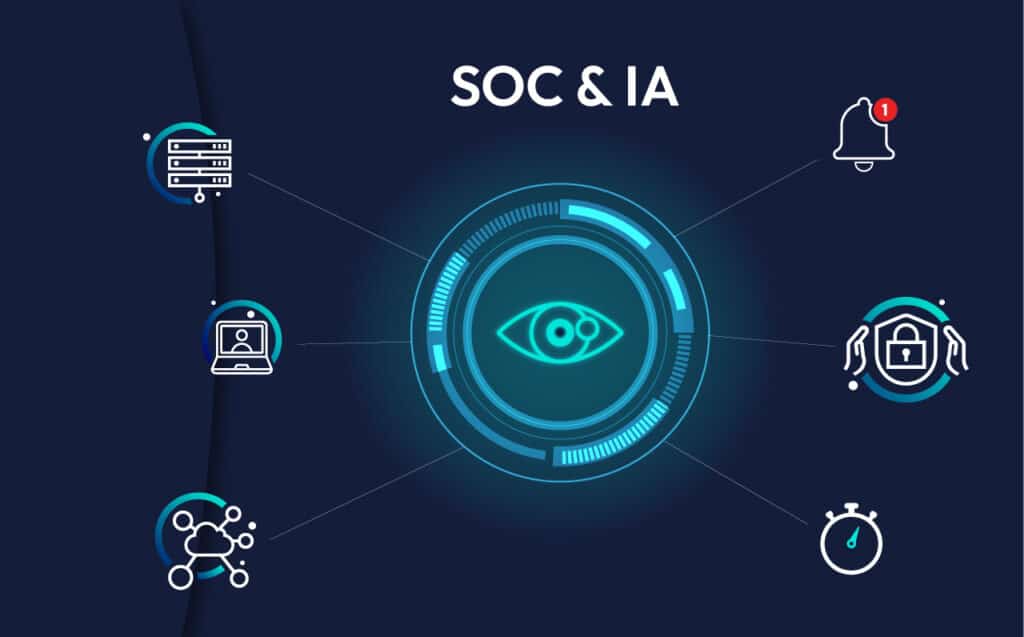
Faced with the ongoing rise in cyber threats, companies must rely on systems capable of monitoring, analyzing, and responding in real time. The proliferation of targeted attacks, ransomware, and evasion techniques renders traditional approaches inadequate. In this context, integrating artificial intelligence into the SOC is a necessary step toward improving […]
AI for Cybersecurity: Secure Your Industry with Confidence in 2026

The industrial digital landscape is undergoing a major technological transformation. By 2026, the sophistication of cyberattacks will increasingly rely on automation and computing power. The challenge now is to transform technology monitoring into a true business continuity strategy. Artificial intelligence, when integrated into a comprehensive defense architecture, becomes your […]
Zero Trust Security: The Practical Guide to Protecting Your Privileged Access
Practical guide: Implementing a zero trust architecture in 5 key steps The traditional security perimeter, once defined by office walls, has been shattered. Between the cloud, remote working, and the proliferation of devices, the old "fortress" model no longer makes sense. The only viable approach today is […]
Case study: MPLS migration to Cato Networks SASE for a local government

How Scalair supported the network modernization of the Osartis-Marquion Community of Municipalities The Osartis-Marquion Community of Municipalities (49 municipalities, 45,000 inhabitants) has embarked on a strategic project: replacing its MPLS with a secure and easier-to-administer SASE solution. To carry out this network transformation, the local authority chose to rely on Scalair, an expert in [...]
Scalair x Eurasanté: Partnership renewed for 2026

Scalair announces the renewal of its partnership with Eurasanté, the accelerator for health and nutrition innovations in the Hauts-de-France region. This partnership is part of a shared ambition: to support the digital transformation and security of players in the regional health sector by providing hosting and cybersecurity solutions tailored to the sector's requirements. Eurasanté, a health ecosystem […]
SASE: Merging network and security to transform enterprise infrastructure
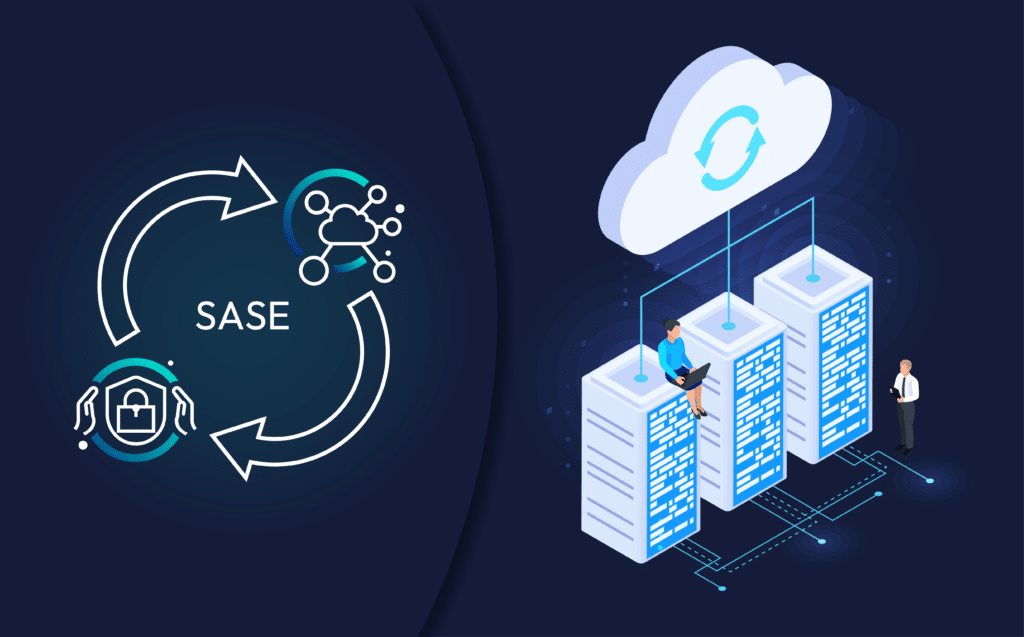
What is SASE and how is it revolutionizing the security of your corporate network? With the widespread adoption of remote working, the growing use of SaaS applications, and the disappearance of the traditional network perimeter, conventional security architectures are no longer sufficient. The Secure Access Service Edge (SASE) model meets these new requirements by natively merging […]
Migration from AvosDim Infrastructure to Scalair: a partnership that accelerates and reassures

Testimonial from our partner OpenITech: "We recently helped AvosDim migrate its infrastructure to Scalair, a hosting provider based in the region. AvosDim was previously hosted on AWS, via another hosting provider. The need was clear: to regain operational proximity, improve performance and control costs. The choice of Scalair [...]